
Warmth and professionalism
Therapists in Salem, MA
While we may use somewhat different approaches, each therapist at Kendall Psychological Associates is committed to the principle of respect for our clients, and each therapy proceeds with non-judgmental careful listening, warmth, and professionalism.
Michael Collins, Psy.D.
Clinical Director, Salem
Dr. Collins works with adults navigating anxiety, obsessive-compulsive disorder (OCD), trauma, depression, insomnia, stress, and other periods when life has begun to feel constrained by difficult thoughts, emotions, or patterns of avoidance. He also welcomes people who are not in crisis but recognize that something in their lives could feel richer, more purposeful, or more aligned with who they want to be.
Dr. Collins believes that therapy is ultimately about helping people build lives around what matters to them rather than organizing their lives around the avoidance of discomfort. His style is collaborative, practical, compassionate, and active. He helps clients notice how attempts to control unwanted thoughts and feelings can sometimes make life smaller, and to develop greater flexibility in responding to difficult internal experiences.
His primary therapeutic approach is Acceptance and Commitment Therapy (ACT), which integrates mindfulness, acceptance, self-compassion, and careful exploration of personal values. Depending on a client's needs, he also uses Cognitive Behavioral Therapy (CBT), Exposure and Response Prevention (ERP) for OCD, and evidence-based treatments for trauma.
Dr. Collins graduated from Boston College and earned his doctorate from La Salle University. Before joining Kendall Psychological Associates, he worked in a range of multidisciplinary outpatient and hospital settings. As Clinical Director of KPA's Salem office, he also helps support the clinical work of the broader practice.
“You don't need to be in crisis to benefit from therapy. Everyone gets stuck sometimes. I see therapy as a collaboration in which we clarify what really matters to you and look at the ways difficult thoughts, feelings, or habits may be pulling you away from it. My hope is to help you develop a different relationship with those struggles so you have more freedom to build a rich and meaningful life.”

Ashley Ausikaitis, Ph.D.
Co-Director, Postdoctoral Training Program
Dr. Ausikaitis is a licensed psychologist and certified school psychologist who works with children, adolescents, and adults. Her clinical interests include anxiety, depression, trauma, bereavement, OCD, ADHD, autism, family concerns, and the psychological impact of physical disabilities. Her unusually broad training across developmental stages allows her to understand emotional and behavioral concerns not only within the individual, but also within the family, school, and broader systems in which people live.
Dr. Ausikaitis has particular expertise in working with children and families whose concerns involve learning, attention, development, or school functioning. She offers parenting consultations sessions as well as family therapy. In addition to psychotherapy, she conducts comprehensive neuropsychological evaluations for ADHD and autism and can help families understand how a child's cognitive, emotional, behavioral, and educational needs intersect. Her background as a certified school psychologist also informs her ability to help families think through school supports and advocacy.
Her therapeutic approach is individualized, practical, and strengths-based. Dr. Ausikaitis draws from Cognitive Behavioral Therapy (CBT), Dialectical Behavior Therapy (DBT), play therapy, and research-supported behavioral and lifestyle interventions. She works collaboratively with clients and families to identify what is already working, understand areas of difficulty, and build concrete strategies that support emotional well-being, self-esteem, and day-to-day functioning.
Dr. Ausikaitis earned her bachelor's degree from Vassar College and her Ph.D. from Loyola University Chicago. Her training included extensive work with children and adolescents in foster care and residential treatment in the New York metropolitan area. She later served as Director of Behavior Services at Cerebral Palsy of Westchester and practiced in Buffalo before relocating to Massachusetts.
“I try to understand each person in the context of their strengths as well as the difficulties that brought them to therapy. Whether I am working with a child, an adult, or an entire family system, my goal is to develop an approach that fits that person's actual life. Therapy is most useful when what we learn together translates into greater confidence, healthier functioning, and practical change outside the therapy room.”

Alexandra Bacigalupo, Psy.D.
Staff Psychologist
Dr. Bacigalupo works with adults navigating depression, anxiety, trauma, relationship and family difficulties, substance use, and major life transitions. She is particularly interested in the ways emotional symptoms are connected to relationships, earlier experiences, and larger questions about meaning, identity, and how a person wants to live, allowing her to take a holistic approach to treatment, rather than focusing on individual symptoms.
For Dr. Bacigalupo, the therapeutic relationship is not simply the setting in which treatment occurs—it is one of the most important parts of treatment itself. Her style is warm, genuine, collaborative, and engaged. She believes that feeling deeply understood by another person can create the safety necessary to examine painful experiences, take emotional risks, and experiment with different ways of understanding and relating to oneself and others.
Dr. Bacigalupo takes an integrative approach to therapy. She is primarily trained in Cognitive Behavioral Therapy (CBT) and Psychodynamic therapy, and also draws from Dialectical Behavior Therapy (DBT), family-systems, humanistic, relational, positive psychology, and existential perspectives. She incorporates mindfulness and practical skills that foster resilience, self-awareness, and self-compassion, tailoring treatment to the particular needs and goals of each client rather than working from a single predetermined model.
Dr. Bacigalupo graduated from Northeastern University and earned her doctorate from William James College. Her clinical experience spans inpatient psychiatric hospitals, correctional settings, high schools, college counseling centers, and private practice, giving her experience working with people facing a wide range of circumstances and levels of distress.
“One of the things I value most about being a therapist is the relationship that develops with each client. When you feel that someone genuinely knows you and is alongside you, therapy can become an extraordinarily powerful space for change. I hope our work helps relieve the symptoms that brought you in, but I also want it to help you build a life with greater satisfaction, meaning, and purpose.”

Emily Camp, Ph.D.
Staff Clinician
Pre-licensed
Dr. Camp (she/her) has specialized training in working with older adolescents and adults navigating stress and trauma, and how these experiences relate to anxiety, depression, grief, chronic pain, health concerns, relationship and intimacy difficulties, family dynamics, school/work performance issues, and experiences of discrimination. She is also interested in working with individuals experiencing difficulties with performance anxiety and identity exploration.
She believes healing happens through connection and in relationships that feel safe, supportive, nonjudgmental, and empowering. With the belief that people are doing the best they can with the resources available to them, she helps clients connect with their natural resilience while exploring new ways of thinking, feeling, and connecting with others. To do this, she works collaboratively to establish goals that center each client's values, emotions, needs, and life context, since she recognizes how the power dynamics of societal, cultural, and political forces shape our lived experiences.
Dr. Camp primarily uses mindfulness-based cognitive approaches while integrating ecological systems and intersectional-feminist perspectives. Dr. Camp is trained in Eye Movement Desensitization and Reprocessing (EMDR) and is interested in providing adjunctive EMDR therapy. She also draws from Cognitive Restructuring for PTSD, Trauma-Focused Cognitive Behavioral Therapy (TF-CBT), Cognitive Behavioral Therapy (CBT), Mindfulness-Based Stress Reduction (MBSR), Motivational Interviewing (MI), and Dialectical Behavior Therapy (DBT), tailoring strategies to the individual rather than treating symptoms in isolation from their context.
Dr. Camp completed her master's degree at the University of Missouri-Columbia, her doctorate at the University of Nebraska-Lincoln, and her APA-accredited internship at the University of New Hampshire Psychological and Counseling Services. She has worked with youth and adults in college counseling centers, VA hospitals, private practice, community mental health clinics, and schools. Outside of work, she enjoys spending time with loved ones (especially her husband and two young kids), cooking, beach days, bike rides, hiking, running, yoga, reading, film, pop culture, and creative projects.
“I hope to foster a warm, kind, and collaborative relationship to help people accept themselves as they are. I trust and believe we are each doing our very best, and we can always learn how to better soothe our emotions and incorporate more helpful ways of thinking. When this happens, we can explore life more freely and meaningfully, while staying connected to ourselves and intentionally chosen others.”

Courtney Colgan, Ph.D.
Staff Psychologist
Pre-licensed
Dr. Colgan works with adolescents and adults. Her adult specialties include women's mental health; perinatal and reproductive mental health, including pregnancy and postpartum concerns, infertility, pregnancy loss, and menopause; parenting; grief and loss; anxiety and depression; OCD; and the psychological effects of trauma, including complex PTSD and dissociation. With adolescents, she works with adjustment and transitions, identity development, developmental trauma, grief, anxiety, OCD, and depression.
Dr. Colgan views therapy as both an art and a science. She believes evidence-based practices work best when integrated with the resources clients already bring, including creative, cultural, religious or spiritual, and community-based strengths. Her work emphasizes intersectionality, safety, personal agency, and choice, and she approaches assessment and diagnosis in a strengths-based, developmentally informed way that asks not only what symptoms are present, but how and why they may have developed.
Her approach integrates relational psychodynamic therapy, Internal Family Systems (IFS), Cognitive Behavioral Therapy (CBT), neurobiology, and sensorimotor psychotherapy. She brings a trauma-informed perspective to helping clients understand protective adaptations, reconnect with parts of themselves, and develop new ways of relating that support healing and growth.
Dr. Colgan earned her bachelor's, master's, and Ph.D. in Counseling Psychology from Boston College. She completed her predoctoral internship at Cambridge Health Alliance/Harvard Medical School on the Adult/Child Track and her postdoctoral fellowship in Women's Health & Family Services at VA Bedford, where she received specialized training in reproductive mental health. She also trained at Simmons College Counseling Center and Tufts Medical Center. She most recently completed the Postgraduate Fellowship in Psychoanalytic Psychotherapy at the Massachusetts Institute for Psychoanalysis (MIP).
“I like to think of therapy as an invitation - to turn inward, reflect on where you have been and where you want to go, explore different parts of yourself and your identities, and experiment with new ways of being and relating. My hope is to foster a therapeutic space in which you feel that all parts of you are safe, welcome, and valued. Being a therapist is both a privilege and responsibility, and I look forward to accompanying you along your path toward healing and growth.”

Kat Dion, Ph.D.,PMHNP-BC
Staff Psychiatric Nurse Practitioner
Kat Dion works with adults across the lifespan who are navigating depression, anxiety, trauma, grief, and other mental health concerns. She has particular interests in college student mental health and working with LGBTQ+ clients. At KPA, Kat is available for psychiatric medication consultations and ongoing medication management.
Kat’s approach is collaborative, thoughtful, and attentive to the whole person. She believes psychiatric care works best when treatment takes into account not only symptoms, but also a person’s relationships, identities, values, physical health, and broader life circumstances. She works with patients to understand what they are experiencing and to make medication decisions together, with the goal of developing a treatment plan that feels both clinically appropriate and personally meaningful.
In addition to psychopharmacology, Kat incorporates principles of acceptance and mindfulness into her work. She helps patients develop a different relationship with difficult thoughts and emotions while considering how medication may reduce barriers to living more fully and engaging with what matters to them. Her experience across college health, trauma treatment, and Veterans’ healthcare has also given her a broad perspective on the ways mental and physical health intersect across different stages of adulthood.
Kat earned her Ph.D. in Nursing and her bachelor’s degree in Nursing from Endicott College. She received her Master of Science from Boston College, specializing as a Psychiatric Nurse Practitioner, and completed a clinical rotation with the Victims of Violence Program at Cambridge Health Alliance. Before practicing independently as a nurse practitioner, she completed a yearlong interdisciplinary fellowship at the VA Bedford Healthcare System. She later served as a staff nurse practitioner in the University Health and Counseling Center at Northeastern University.

Sofia DiPace, Psy.D.
Postdoctoral Fellow, Pre-Licensure
Dr. Sofia DiPace works primarily with young adults, with a particular appreciation for college and graduate students navigating the opportunities and challenges that come with this stage of life. She works with individuals experiencing anxiety, obsessive-compulsive disorder (OCD), relationship concerns, family dynamics, ADHD and executive functioning challenges, identity exploration, self-esteem concerns, disordered eating, stress, and major life transitions. Whether someone is adjusting to increased independence, navigating academic or career pressures, or trying to better understand themselves, Dr. DiPace strives to create a space where clients feel supported, understood, and empowered to grow.
Dr. DiPace believes that therapy is most effective when it is collaborative, genuine, and tailored to the individual. Her style is warm, relational, and strengths-based, balancing encouragement with thoughtful exploration. She enjoys helping clients recognize the strengths they already possess while developing new ways of responding to life's challenges. Together, you'll work to better understand yourself, build confidence, strengthen relationships, and create meaningful change at a pace that feels right for you.
Dr. DiPace takes an integrative, evidence-based approach to psychotherapy, drawing from Acceptance and Commitment Therapy (ACT), Emotion-Focused Therapy (EFT), Cognitive Behavioral Therapy (CBT), and Exposure and Response Prevention (ERP) for OCD and anxiety. She also believes that reflecting on past experiences, personal values, and future goals can create powerful momentum for change. Rather than taking a one-size-fits-all approach, she works collaboratively with each client to find the therapeutic strategies that best support their goals.
Dr. DiPace earned her Doctor of Psychology (Psy.D.) in Clinical Psychology from William James College after completing her undergraduate studies at Emmanuel College. She completed her predoctoral internship at the University of Massachusetts Lowell Counseling Center and has trained in a variety of clinical settings, including schools, hospitals, residential programs, and outpatient and private practice settings. These experiences have prepared her to support clients with a broad range of emotional, relational, and developmental concerns.
"One of my favorite parts of being a psychologist is getting to watch people realize they're more capable than they thought they were. It's so easy to look around and feel like everyone else has life figured out while you're the only one struggling. In my experience, that's almost never true.
I especially enjoy working with young adults because it's such an exciting yet often overwhelming time of life. There can be so much happening all at once: relationships, careers, family expectations, independence, and figuring out who you want to become. I love helping people slow down, reconnect with what's important to them, and recognize strengths they may not have seen in themselves yet.
Outside of work, I'm a big family person, I never say no to something covered in chocolate, and I'm always looking for a great movie recommendation. My hope is that therapy feels like a place where you can show up exactly as you are, knowing we'll work together to help you build a life that feels fulfilling and true to who you are."

Lesli DuBose, Psy.D.
Staff Psychologist
Dr. DuBose (they/them) works with adults and teens and specializes in supporting transgender, gender-expansive, queer/LGBTQ+, and diverse-relationship communities, including non-monogamous, polyamorous, ace, and kink communities, as well as other people affected by minority stress and systemic oppression. They work with identity exploration, relational trauma, gender-affirming transitions, family rejection, religious trauma, depression, anxiety, acute and complex PTSD, shame, loneliness, and low self-worth.
Dr. DuBose's style is warm, collaborative, curious, and compassionate. They use humor when it is healing and direct communication when it is needed, approaching difficult conversations with kindness, gentleness, and nonjudgment. Their work is rooted in the belief that all people deserve to feel seen, heard, understood, valued, and celebrated, and that clients are the experts on their own lives.
Their integrative approach draws from client-centered, trauma-informed, strength-based, and empowerment-focused practices; Internal Family Systems (IFS); Dialectical Behavior Therapy (DBT); Cognitive Behavioral Therapy (CBT); mindfulness; somatic methods; feminist therapy; and liberation psychology. Dr. DuBose is also trained in informed-consent appointments for gender-affirming medical interventions and brings cultural humility to this work as an ongoing practice.
Dr. DuBose earned their Psy.D. from William James College and has trained in outpatient, inpatient, hospital, college counseling, community, and gender-affirming medical settings. Outside of therapy, they have played roller derby for more than a decade, enjoy art, writing, pets, and chosen family, and train other mental health providers in gender-affirming practices.
“I hope my clients gain a deeper sense of self-compassion, acceptance, and understanding; freedom from harmful patterns; a larger toolbox to navigate life's challenges; and the ability to build and live a life that feels fulfilling, safe, rewarding, and joyful.”

Alli Duncan, Psy.D.
Staff Psychologist
Dr. Duncan (she/her) works with adults navigating relationship difficulties, life stress, disordered eating, anger, sleep concerns, depression, and anxiety. She has specialized expertise working with people who have experienced trauma and with clients across the LGBTQIA+ spectrum, including those affected by minority stress, institutional betrayal, and sexual or gender-based trauma.
Dr. Duncan prioritizes empathy, respect, collaboration, honesty, trust, and safety. She combines empowerment and affirmative approaches with evidence-based treatment, working to create a nonjudgmental space where clients can approach difficult experiences without losing sight of their strengths, identities, and agency.
She is trained in evidence-based treatments for PTSD, eating disorders, insomnia, panic disorder, and chronic pain and draws from CBT and third-wave approaches such as DBT and ACT. Her trauma-focused treatments include Cognitive Processing Therapy (CPT), Prolonged Exposure (PE), Written Exposure Therapy (WET), Cognitive Behavioral Conjoint Therapy for PTSD (CBCT), Skills Training in Affective and Interpersonal Regulation (STAIR), and ACT for PTSD.
Dr. Duncan earned her Psy.D. in Clinical Psychology from Xavier University. She completed her predoctoral internship at VA Portland Healthcare System, focusing on women and gender-diverse Veterans, and later completed the LGBTQ+ Health Fellowship at VA Boston Healthcare System. She has worked with Veterans for several years and has expertise in military-related trauma. Outside of work, she enjoys reading, her dog Bonnie, board games, hiking, and camping.
“In order to foster healing, a safe and nonjudgmental environment is essential. I strive to create a therapeutic space that prioritizes trust and safety to make approaching the hard parts of life a little bit easier.”

Alessandra Frissora-Poston, Psy.D.
Staff Psychologist
Dr. Frissora-Poston works with adults navigating depression, anxiety, grief, major life transitions, and periods of emotional strain or uncertainty. She has specialized training and clinical experience in maternal and reproductive mental health including addressing the emotional challenges that can arise throughout pregnancy and the postpartum period as well as within the context of reproductive trauma or loss (ex. infertility, miscarriage, pregnancy loss).
Dr. Frissora-Poston believes that effective therapy begins with a strong and trusting therapeutic relationship. She brings warmth, compassion, and clinical expertise while maintaining deep respect for the fact that each client is the expert on their own lived experience. Her goal is to help clients better understand themselves and develop greater confidence in their capacity to heal and navigate difficult life experiences.
Her integrative approach draws from Cognitive Behavioral Therapy (CBT), relational and psychodynamic perspectives, and behavioral medicine strategies that attend to the relationship between emotional and physical well-being. She works to help clients cultivate insight, self-compassion, resilience, and a stronger sense of their own effectiveness in facing circumstances that cannot always be controlled or changed.
Dr. Frissora-Poston graduated from Boston College and earned her doctorate from William James College. Her clinical experience includes training and work in community mental health, group private practice and integrated healthcare settings. She completed both her internship and postdoctoral training in OB-GYN settings on the North Shore where she received specialized training in supporting clients experiencing challenges associated with perinatal mental health and adjustment as well as reproductive loss or trauma.
“It is a privilege to be invited into the lives of the clients with whom I work. I strive to bring warmth, non-judgement, and clinical knowledge to the therapeutic space while honoring that my clients are the experts on their own lived experience. While we are unable to change the past and do not always have control over the things that happen in the present or future, we can work together in therapy to support understanding, healing and resilience.”

Nicole Faraci-Kahn, Ph.D.
Staff Clinician
Pre-Licensed
Dr. Faraci-Kahn works with children, adolescents, and young adults through their mid-to-late twenties. She supports clients navigating anxiety, perfectionism, self-esteem and identity concerns, and major life transitions, with particular sensitivity to the developmental pressures of growing up and 'adulting.' She particularly enjoys supporting clients who struggle with high expectations, overthinking, or feeling overwhelmed as they navigate school relationships, work, and changes in their sense of self.
Dr. Faraci-Kahn creates a safe, compassionate, and affirming space where clients can feel understood and empowered to grow. Her style is warm, collaborative and strengths-based, balancing space for reflection and practical strategies clients can use in their everyday lives. She helps young people recognize what they already bring to the work while building confidence, resilience, and a stronger sense of self. When working with children and adolescents, she values collaboration with parents and caregivers and considers the important roles that family, school, and community play in a young person’s well-being.
Her approach is grounded in Cognitive Behavioral Therapy (CBT) while also emphasizing the importance of relationships, lived experiences, and the therapeutic alliance. She tailors each session to the client's unique needs, developmental stage, identity, and goals. Her work combines practical skill-building with attention to the relationships and experiences that shape how clients see themselves. Drawing from her background in a variety of clinical and educational settings, Dr. Faraci-Kahn takes a developmentally informed approach and considers clients within the broader contexts and systems that shape their experiences.
Dr. Faraci-Kahn earned her Ph.D. from the University of California, Berkeley, and currently is a faculty member in the School Psychology Program at Tufts University. She has years of experience supporting children, adolescents, and young adults across clinical and school settings. Outside of work, she enjoys neighborhood coffee shops, running along the coast, catching a Red Sox game, volunteering for social causes, and finding new restaurants, especially sushi!
“My therapeutic space is meant to feel safe, open to vulnerability, and free of judgment. I bring my authentic warmth, compassion, curiosity, and collaborative style into each therapeutic relationship. I strive to support my clients in using their own lived experiences to develop the knowledge and skills to become more confident in who they are and more equipped to handle what comes next.”

Shawntay Grasso, Psy.D.
Staff Psychologist
Dr. Grasso provides psychotherapy to children ages 8 and older, adolescents, and adults, as well as couples. She works with depression, anxiety, trauma, identity development, emerging adulthood, relationship concerns, body image, and self-esteem. She has a particular interest in supporting LGBTQIA+ clients and people whose experiences have been shaped by marginalization or systemic oppression.
Dr. Grasso believes therapy works best when clients feel genuinely seen, respected, and empowered. Her style is warm, collaborative, person-centered, and goal-directed. She recognizes that emotional well-being cannot be separated from the relationships, identities, communities, and larger systems that shape people's lives, and she brings this perspective into her work with clients.
Dr. Grasso takes an integrative, trauma-informed, and culturally responsive approach. She draws from Cognitive Behavioral Therapy (CBT), mindfulness-based approaches, multicultural frameworks, and Eye Movement Desensitization and Reprocessing (EMDR), particularly when working with trauma and other distressing experiences. She tailors treatment to each client's needs, goals, identities, and lived experiences while helping clients build on their strengths and develop new ways of navigating life's challenges.
Dr. Grasso earned her Psy.D. in Clinical Psychology from William James College and completed her postdoctoral fellowship at LifeStance Health. Her clinical experience spans community mental health centers, psychiatric hospitals, partial hospitalization programs, schools, and outpatient settings, preparing her to work with clients across ages, backgrounds, and levels of clinical need.
“I believe that therapy is a collaborative process built on honesty, respect, and empowerment. I want my clients to feel that we're working together toward goals that are meaningful to them, while creating a space where they can be fully themselves without judgment. My hope is to help people better understand themselves, recognize their strengths, and develop the tools they need to navigate life's challenges and create a greater sense of peace, balance, and positivity in their lives.”

Nyssa Green, Psy.D.
Staff Psychologist
Dr. Green works with adults across the lifespan who are navigating anxiety, depression, trauma and loss, grief, perinatal challenges, relationship difficulties, and major life-stage transitions. She has particular experience helping people understand how painful or overwhelming experiences can affect emotions, relationships, self-perception, and a sense of safety or connection.
Dr. Green believes that much of healing happens through connection: connection with another person, with parts of oneself that may have become difficult to access, and with a broader sense of agency and engagement in the world. Her style is warm, open, collaborative, and attuned. She works to create a relationship in which clients feel safe enough to explore difficult experiences while also developing a clearer understanding of recurring emotional and relational patterns.
Her integrative approach draws from trauma-informed, relational, parts-oriented, psychodynamic, and family-systems perspectives. Dr. Green is trained in Eye Movement Desensitization and Reprocessing (EMDR) and has a particular interest in providing adjunctive EMDR therapy. She tailors treatment to the individual, helping clients develop both practical ways to respond to distress and deeper insight into themselves and their relationships.
Dr. Green graduated from Bates College, earned a master's degree from Northwestern University, and received her doctorate from William James College. She completed both predoctoral and postdoctoral training at the Trauma Center in Brookline and subsequently worked as a therapist and supervisor in multidisciplinary outpatient settings.
Outside of work, Dr. Green enjoys spending time with family and friends, reading, going for walks outside, being by the ocean, and spending an unreasonable amount of time perusing animal rescue websites.
“I believe much of healing and growth happens through connection—to ourselves, to other people, and to the world around us. I try to create a warm and open space where we can understand what brought you to therapy, recognize patterns that may be keeping you stuck, and help you develop a greater sense of meaning, connection, and agency in your life.”

Nora Kline, Ph.D.
Staff Psychologist
Dr. Kline works with adults experiencing trauma-related stress, emotion dysregulation, anxiety, chronic pain, and relationship difficulties. She has particular expertise in helping people who have lived through difficult experiences that continue to shape how they live their lives and view themselves, other people, and the world.
Dr. Kline understands that painful experiences are an unavoidable part of being human and believes people can develop greater freedom in how they respond to that pain. Her therapeutic style is warm, collaborative, active, and compassionate. She helps clients process difficult experiences while developing concrete skills that support recovery and values-aligned behavior.
She draws from Acceptance and Commitment Therapy (ACT), Cognitive Behavioral Therapy (CBT), , and Dialectical Behavior Therapy (DBT). Dr. Kline has extensive specialized training in evidence-based treatments for PTSD and, when appropriate, offers Cognitive Processing Therapy (CPT), Prolonged Exposure (PE), andWritten Exposure Therapy (WET). Treatment is individualized rather than determined solely by diagnosis, with careful attention to readiness, preferences, and goals.
Dr. Kline earned both her bachelor's and master's degrees in psychology from Vanderbilt University and her Ph.D. in clinical psychology from Clark University. She completed her predoctoral internship and postdoctoral fellowship at VA Boston Healthcare System, working with the Women's Trauma Recovery Team and PTSD Clinical Team. There, she provided care to Veterans with a range of experiences, including combat trauma, sexual assault, and childhood abuse.
Outside of work, Dr. Kline enjoys North Shore beach walks with her family and working on the New York Times crossword.
“Life inevitably brings painful experiences, and one of the privileges of this work is being able to accompany people as they make sense of what they have been through and find their own way forward.. I hope therapy can be a place where you feel safe enough to process difficult experiences while also developing the skills and confidence to build a meaningful life beyond them.”

Joshua Limbert, Psy.D.
Staff Psychologist
Dr. Limbert works with children, adolescents, and adults navigating anxiety, depression, and trauma. As a licensed School Psychologist, he also has extensive experience with school adjustment, social and interpersonal conflicts, ADHD, autism, and other neurodevelopmental concerns. His combined clinical and school psychology background allows him to understand young people within both family and educational contexts.
Dr. Limbert's approach is collaborative, relational, strengths-based, and culturally humble. He emphasizes trust, safety, and mutual respect as the foundation of therapy and believes people should be the 'driver' of their own treatment. He works with clients and families to identify meaningful goals, monitor progress, and build on strengths and coping resources that are already present.
He draws from Cognitive Behavioral Therapy (CBT), person-centered therapy, Interpersonal Therapy (IPT), Motivational Interviewing, and mindfulness-based interventions. Dr. Limbert avoids a one-size-fits-all approach, tailoring treatment to each person's worldview, values, strengths, developmental needs, and preferences.
Dr. Limbert earned his undergraduate degree in Psychology from Fitchburg State University and his doctorate in School Psychology from William James College. He completed his doctoral internship at Harbor Care Health & Wellness Center in Nashua and postdoctoral training at an intensive therapeutic school. Earlier in his career he worked in residential and outreach programs serving adults with chronic mental health challenges.
“The therapeutic process can be an incredibly powerful, yet vulnerable experience, particularly for individuals who have experienced marginalization or mistrust with health systems in the past. My goal is to foster an inclusive, welcoming, and collaborative environment that helps people access their own strengths, insights, and coping resources. People are the 'driver' of their own treatment, and we will work together to identify personally meaningful goals and outcomes.”

Ashley Lussier, MSW
Intake Coordinator and Staff Social Worker
Ms. Lussier works with children and adolescents struggling with: Depression, anxiety, behavioral challenges, social/emotional and interpersonal challenges, life transitions and ADHD.
Ashley’s primary treatment approaches are Cognitive Behavioral Therapy and mindfulness-based approaches.
Ms. Lussier received her Master of Social Work with a certificate in Mental Health Practice from Simmons University, where she trained at Northeast Family. In addition, Ashley has been the intake coordinator at KPA for the past 2 years.
"My goal is to make the therapeutic process collaborative and patient centered. I want my client to feel comfortable and heard throughout the entire process. I believe the client's strengths should be at the center of each step and that the client is the expert of their own situation."

Tara Palmeri, Ph.D.
Staff Psychologist
Dr. Palmeri works with adults navigating anxiety, panic, depression, relationship difficulties, stress, identity development, rigidity/perfectionism, existential questions, body image issues, women’s issues, career concerns, and major life transitions. She has particular experience working with individuals as they navigate the process of figuring out who they are, what they want, and how they want to live. She also works with clients experiencing chronic pain and a broad range of other psychological concerns, as well as conducts focused ADHD consultations for adults when questions about attention and executive functioning arise during therapy.
Dr. Palmeri believes that therapy is one of the relatively rare spaces in life devoted entirely to the client—their needs, questions, experiences, and inner world. She views the therapeutic relationship as the foundation of meaningful work and strives to create a space where clients can feel understood, be genuinely themselves, and explore difficult or complicated parts of their lives without judgment. She brings warmth, curiosity, genuineness, and a sense of humor to her work, while recognizing that each person comes to therapy with a unique history, perspective, and set of circumstances.
Her approach is primarily psychodynamic, relational, and interpersonal, while drawing from cognitive-behavioral and mindfulness-based perspectives when helpful. Dr. Palmeri believes that understanding ourselves more deeply can create greater freedom and choice in how we respond to our emotions, our relationships, and the challenges we face. At the same time, therapy should be useful in the here and now. She works collaboratively with clients to develop practical strategies for managing immediate distress while also exploring recurring patterns and the experiences that may underlie them.
Dr. Palmeri earned her Ph.D. in Counseling Psychology from Western Michigan University, her M.S.Ed. in Mental Health Counseling from Fordham University, and her B.S. in Psychology from Binghamton University, State University of New York. She completed postdoctoral training at UMass Amherst’s Center for Counseling and Psychological Health, where she provided psychotherapy and psychological assessment, with a focus on ADHD testing and diagnostic evaluations. Her extensive training and experience in college counseling centers have contributed to a particular interest in young-adult development and the challenges that can accompany periods of significant change.
“I feel honored to be invited into a client’s intimate world. Therapy can offer a safe and protected space that is just for you—your needs and wants—and spaces like that can be rare. I hope to bring genuineness and my own personal style into the room while helping you move toward greater peace, balance, healing, and well-being.”

Cindy Pham, Psy.D.
Postdoctoral Fellow
Dr. Pham provides psychotherapy for adults across all stages of adulthood. She has a particular passion for supporting BIPOC individuals and those navigating the experiences of growing up in immigrant and refugee families. Her clinical interests include intergenerational trauma and stress, identity development, relationship concerns, women's mental health, spirituality, and the many forms of loss and change that accompany major life transitions.
Dr. Pham believes healing begins in a relationship where people feel safe enough to bring their whole selves into the room. Her style is warm, thoughtful, and collaborative, with a sprinkle of humor. She understands that past experiences, relationships, cultures, and identities shape how we see ourselves and connect with others. Rather than treating coping strategies as problems to eliminate, she approaches them with compassion and curiosity, recognizing that they often developed for good reasons.
Dr. Pham takes an integrative, relational, and culturally responsive approach to psychotherapy, tailoring treatment to each person's needs and what feels most meaningful to them. In addition to traditional talk therapy, she is trained in Brainspotting, an experiential brain-body approach that can help people process trauma and emotionally distressing experiences. She also has specialized training in psychological and neuropsychological assessment, including evaluations for ADHD, autism, learning disorders, broader cognitive concerns, and guardianship.
Dr. Pham earned her Psy.D. in Clinical Psychology from Mount Saint Mary's University in Los Angeles. She completed her predoctoral internship at the Center for Multicultural Training in Psychology at Boston Medical Center, where she received extensive training in culturally responsive therapy and psychological assessment with diverse and historically underserved communities. Outside of work, she enjoys spending time with loved ones, working out, baking, watching movies, and occasionally spending far too much time scrolling through TikTok. Originally from California, she loves returning home to spend time with family whenever she can.
“One of the things I appreciate most about this work is simply getting to know people and being trusted with their stories. So many of us carry shame around the parts of ourselves that we've learned to hide or criticize. I hope our work together can offer a different experience - one where there is room to be curious about those parts and, in time, you can feel more connected to yourself and your community, and more empowered to live in ways that feel true to who you are.”
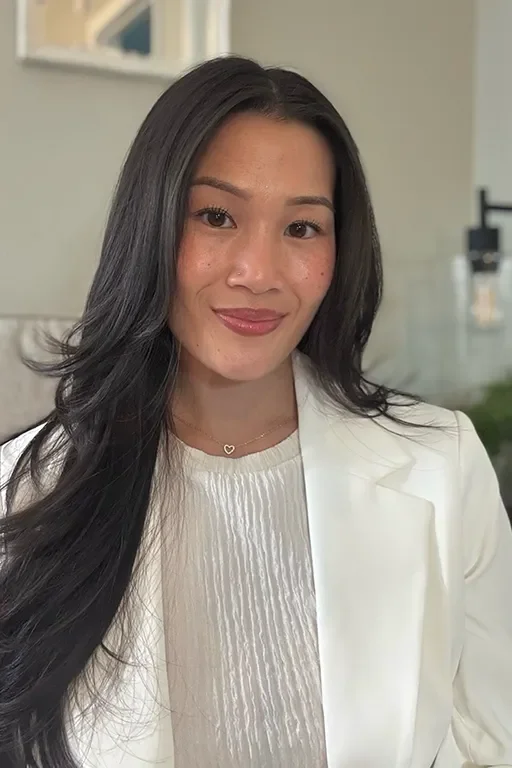
Estefania Powers, Psy.D.
Staff Psychologist
Dr. Powers provides psychotherapy for adolescents and adults, including young adults navigating the challenges of emerging independence and identity development. Her clinical interests include anxiety, depression, trauma, grief, ADHD, substance use, acculturation concerns, life transitions, and stress. As a bilingual psychologist fluent in English and Spanish, she is also attentive to the ways language, culture, family expectations, and migration or acculturation experiences can shape emotional life.
Dr. Powers brings warmth and empathy to therapy and places particular importance on creating a nonjudgmental relationship in which clients can feel safe enough to understand their own stories more deeply. She helps clients explore the experiences and relationships that have shaped them while also identifying strengths, coping resources, and new possibilities for how they want to respond to the challenges they face now.
Her approach is integrative and tailored to the individual. Dr. Powers draws from Cognitive Behavioral Therapy (CBT), motivational interviewing, trauma-informed, relational, mindfulness-based, and client-centered approaches. She works collaboratively with clients to build practical tools for navigating difficult emotions and stressful circumstances while also developing greater awareness of themselves, their relationships, and the patterns that influence their lives.
Dr. Powers graduated from the University of Puerto Rico and earned her doctorate from William James College. Her clinical experience includes outpatient mental health, boarding-school and school-based services, and private practice. She provides therapy in both Spanish and English.
“I see therapy as a place to better understand the story of your life while also recognizing that the story is still being written. Together, we can explore what has shaped you, develop tools for navigating difficult emotions and stressful situations, and strengthen your ability to respond to life in ways that feel more intentional, resilient, and meaningful.”

Briana Reid, Psy.D.
Staff Psychologist
Dr. Reid works with adults navigating trauma and PTSD, depression, anxiety, grief and loss, life transitions, stress, caregiving, physical health concerns, and challenges related to culture, identity, marginalization, and relationships.
Her approach is warm, relational, person-centered, culturally affirming, and trauma-informed, with humor often woven into the work. She believes clients are the experts on their own lived experiences and sees therapy as a collaborative partnership that combines her clinical expertise with a client’s existing strengths, insight, and resources.
Dr. Reid’s integrative approach incorporates interpersonal and mindfulness-based therapies, Cognitive Behavioral Therapy (CBT), Acceptance and Commitment Therapy (ACT), and Dialectical Behavior Therapy (DBT). She is also trained in evidence-based treatments for PTSD, including Cognitive Processing Therapy, Prolonged Exposure, Written Exposure Therapy, and more.
She earned her Psy.D. in Clinical Psychology from William James College following her undergraduate studies at Merrimack College. Her clinical experience spans outpatient, hospital, partial hospital, intensive outpatient, residential, and college counseling settings. She completed her postdoctoral fellowship at the Albany VA, where she received specialized training in the treatment of PTSD and substance use disorders.
“Therapy is a space where we can be curious, vulnerable, and honest about our experiences without fear of judgment. My role is to walk alongside my clients, bringing clinical expertise and compassion to help them build on their knowledge, skills, strengths, and resources so they can move toward a life in which they’re not just surviving, but truly thriving.”

Katherine Russell, Psy.D.
Staff Psychologist
Dr. Russell works with adults navigating anxiety, depression, trauma, major life transitions, health and wellness concerns, and spiritual or existential questions. She has a particular interest in people who are wrestling not only with symptoms, but also with larger questions about meaning, identity, purpose, mortality, or how to live through periods of profound change.
Dr. Russell approaches psychotherapy with respect for the interconnectedness of mind, body, and spirit. Her style is warm, thoughtful, open, and deeply curious about the whole person. She believes therapy can offer a space to engage with the full range of human experience—including pain, uncertainty, contradiction, hope, and transformation—without requiring those experiences to be simplified or quickly resolved.
Her approach is integrative, drawing from relational, existential-humanistic, trauma-informed, Cognitive Behavioral Therapy (CBT), Acceptance Commitment Therapy (ACT), , narrative, and psychodynamic perspectives. She is also trained in mindfulness and Eye Movement Desensitization and Reprocessing (EMDR). Rather than beginning with a single prescribed model, Dr. Russell tailors therapy to the needs, worldview, and goals of each client.
Dr. Russell graduated from Smith College and earned her doctorate from Antioch University New England. She completed postdoctoral training at Albany Medical Center, working in outpatient psychiatry, an inpatient psychiatric unit, and consultation-liaison services within a general hospital. Her broader experience includes community mental health and international disaster-relief work. She has also taught psychology at both the undergraduate and graduate levels and is currently core faculty at Antioch University New England.
“Being human brings an enormous range of experiences, emotions, and questions. I feel honored to meet people in the fullness of who they are and to help them develop greater trust in themselves as they move through struggle, change, healing, and transformation.”

Madeleine Wittenberg, Ph.D.
Staff Psychologist
Dr. Wittenberg works with adolescents and adults navigating anxiety, depression, eating disorders, perinatal mental health concerns, and obsessive-compulsive disorder (OCD). She enjoys helping clients develop practical strategies for managing life's challenges while staying connected to what matters most to them.
Dr. Wittenberg believes that effective therapy begins with collaboration. Her style is warm, thoughtful, and evidence-based, creating a supportive environment where clients feel empowered to take an active role in their care. She recognizes that every person's experiences, strengths, values, and cultural background are unique, and she works closely with each client to develop an individualized approach that reflects their goals and priorities.
Dr. Wittenberg takes an integrative, evidence-based approach to psychotherapy, drawing primarily from Acceptance and Commitment Therapy (ACT) and Cognitive Behavioral Therapy (CBT). She tailors treatment to each person's unique needs, combining practical coping strategies with thoughtful exploration to help clients manage anxiety, improve emotional well-being, strengthen resilience, and build lives that feel more consistent with their values.
Dr. Wittenberg earned her bachelor's degree from Boston University and her doctorate in Clinical Psychology from Emory University. She completed her predoctoral internship at Emory University School of Medicine, where she received specialized training in the treatment of obsessive-compulsive disorder. She then completed her postdoctoral fellowship in the Division of Adolescent and Young Adult Medicine at Boston Children's Hospital, where she specialized in eating disorders and perinatal mental health. Before joining Kendall Psychological Associates, she served as an attending psychologist in the Department of Psychiatry at Boston Children's Hospital.
Away from work Dr. Wittenberg enjoys cooking, reading novels, and spending time with her family.
From Dr. Wittenberg
"I believe that therapy works best when it feels like a true collaboration. My goal is to understand your unique experiences, strengths, and values so that together we can develop practical strategies that fit your life.
Whether you're navigating anxiety, OCD, an eating disorder, the transition into parenthood, or another difficult chapter, I hope our work helps you feel more confident, more capable, and more connected to what matters most to you. It is a privilege to partner with adolescents, adults, and families as they move toward greater health, resilience, and well-being."
